touring & backcountry Access
ski touring, back country access at mt hutt
know before you go
Keen for a mission up the mountain without a lift assist or out beyond the ropes? There’s some pretty epic terrain out there.
But before you head off for a backcountry or touring blast, have a read of our safety guidelines below. The mountains don’t muck around and neither should you.
things to consider
Want to access the wider Mt Hutt Range backcountry?
We want to keep you safe while travelling through the ski area!
The 2 primary access options are:
- Using the standard uphill access route to exit the ski area boundary
- Purchasing a one ride pass from Guest Services on the day you plan to head out. These are available for $45
ACCESS WILL BE EXTREMELY LIMITED WHILE EXPLOSIVES ARE BEING USED
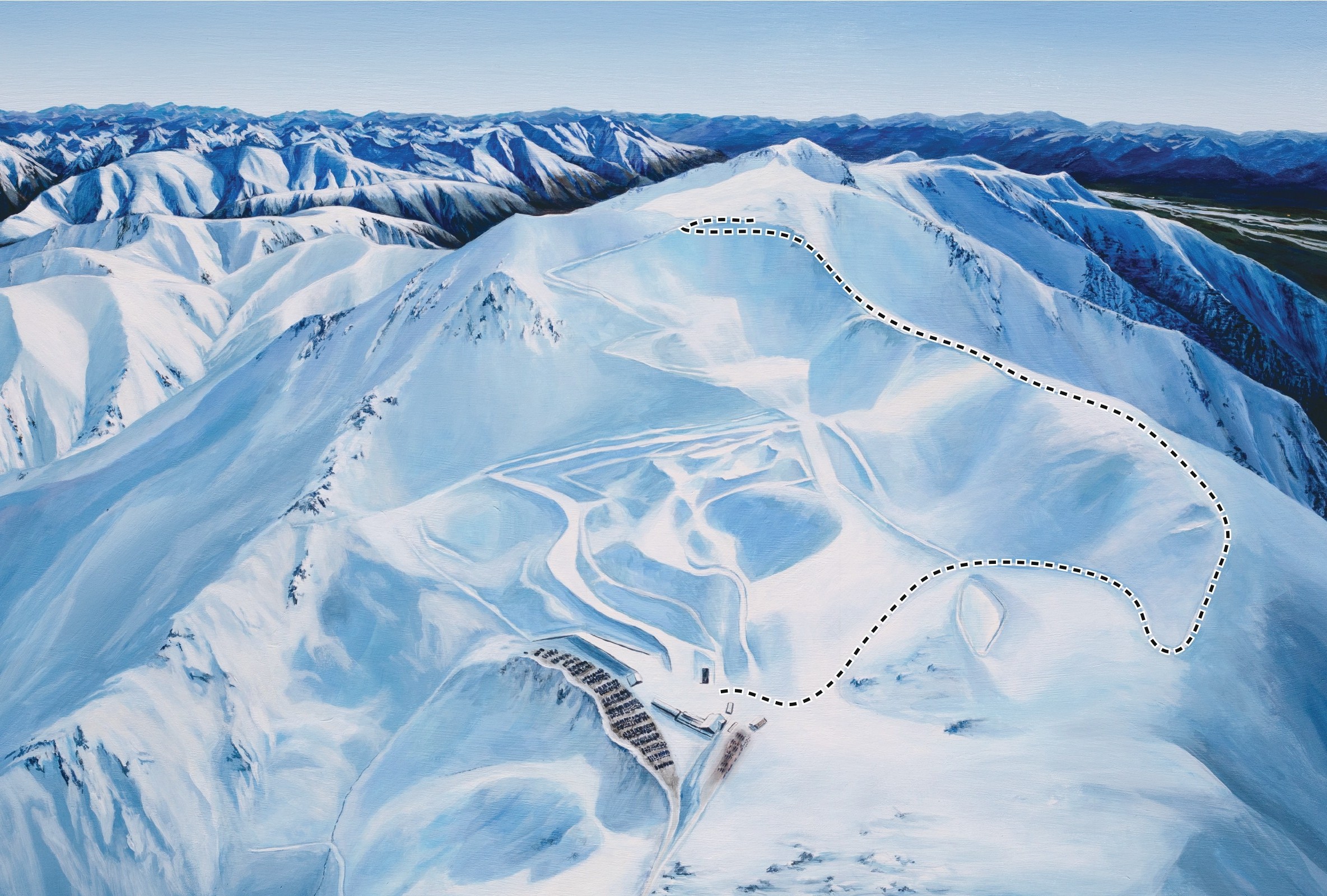
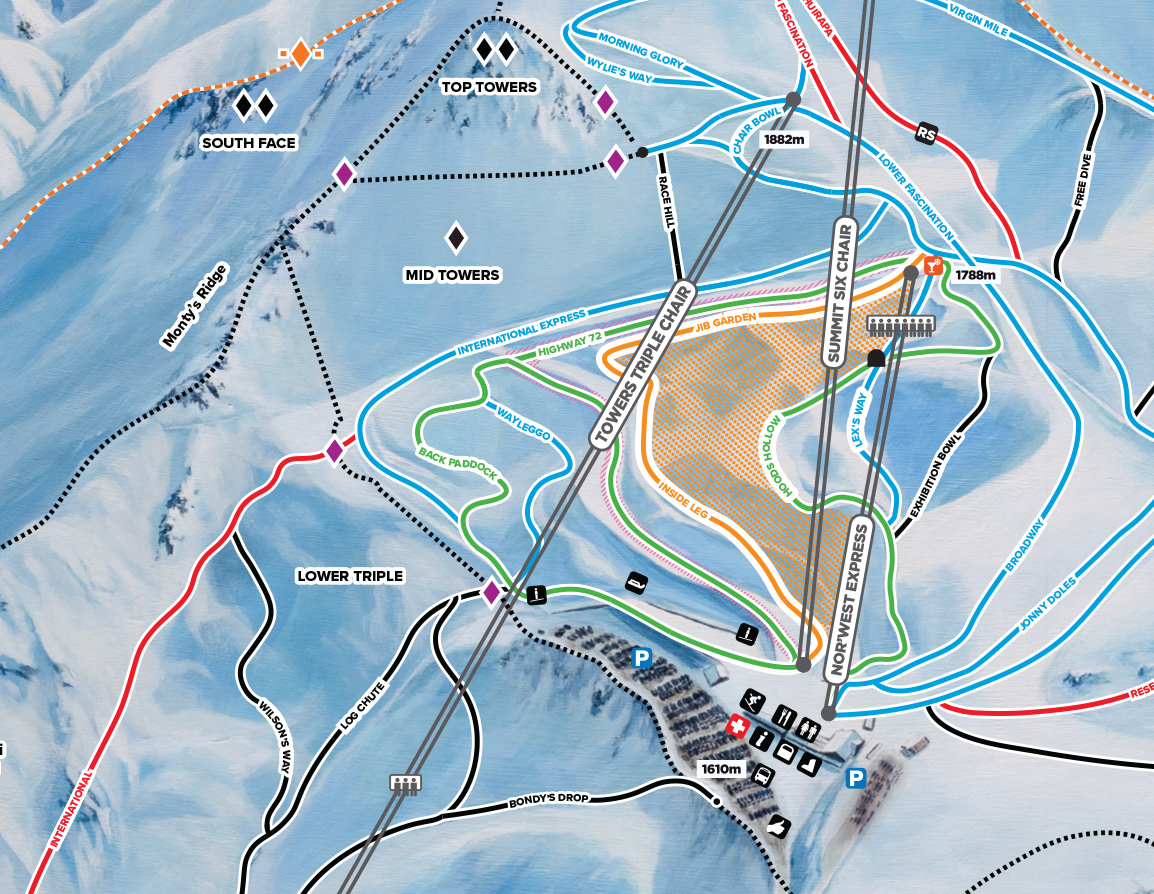
Access will be open from 0730 daily via the Uphill Access Route (see map below)
Risks associated with Uphill Travel at Mt Hutt
Mt Hutt Ski Area is a 24 hour, seven days per week operation with multiple natural and operational hazards. Exiting the ski area boundary can be dangerous and may result in serious injury or death. Please take note of the NZ Backcountry Access Guidelines (link here) and of the following.
Examples include:
- Risk of injury or death from avalanche or explosives use
- Disorientation or risk of getting lost in poor weather
- Having a fall outside of operational hours with no rescue on hand
- Risk of injury or death from collisions with winch cables, skidoos or snowcats
Machinery including snowcats, skidoos, chairlifts, helicopters, diggers, graders and loaders often have limited range of vision and cannot often see you. Never assume you are visible near any of these and take a very wide berth if possible.
TOP TIP: The Snow Report is updated from 6:30am every morning during the operational season.
SNOW REPORT
WEATHER UPDATES
Your best source for mountain conditions
Uphill Access Route

Know the signs
On Mountain Signage
Trail difficulty ratings are relative to each ski areas specific terrain. Work your way up from easier to more difficult trails. When in doubt about a trail or what type of terrain a lift serves, ask resort staff for guidance.
Do not enter closed areas. Ropes and closures are in place for your safety.
Top Tip: Collect your MyPass Card at our kiosks or stop by Guest Services before visiting the Rentals team.
Heading beyond the boundary?
Check the latest Canterbury Backcountry Avalanche Forecast at www.avalanche.net.nz before even thinking about stepping out.
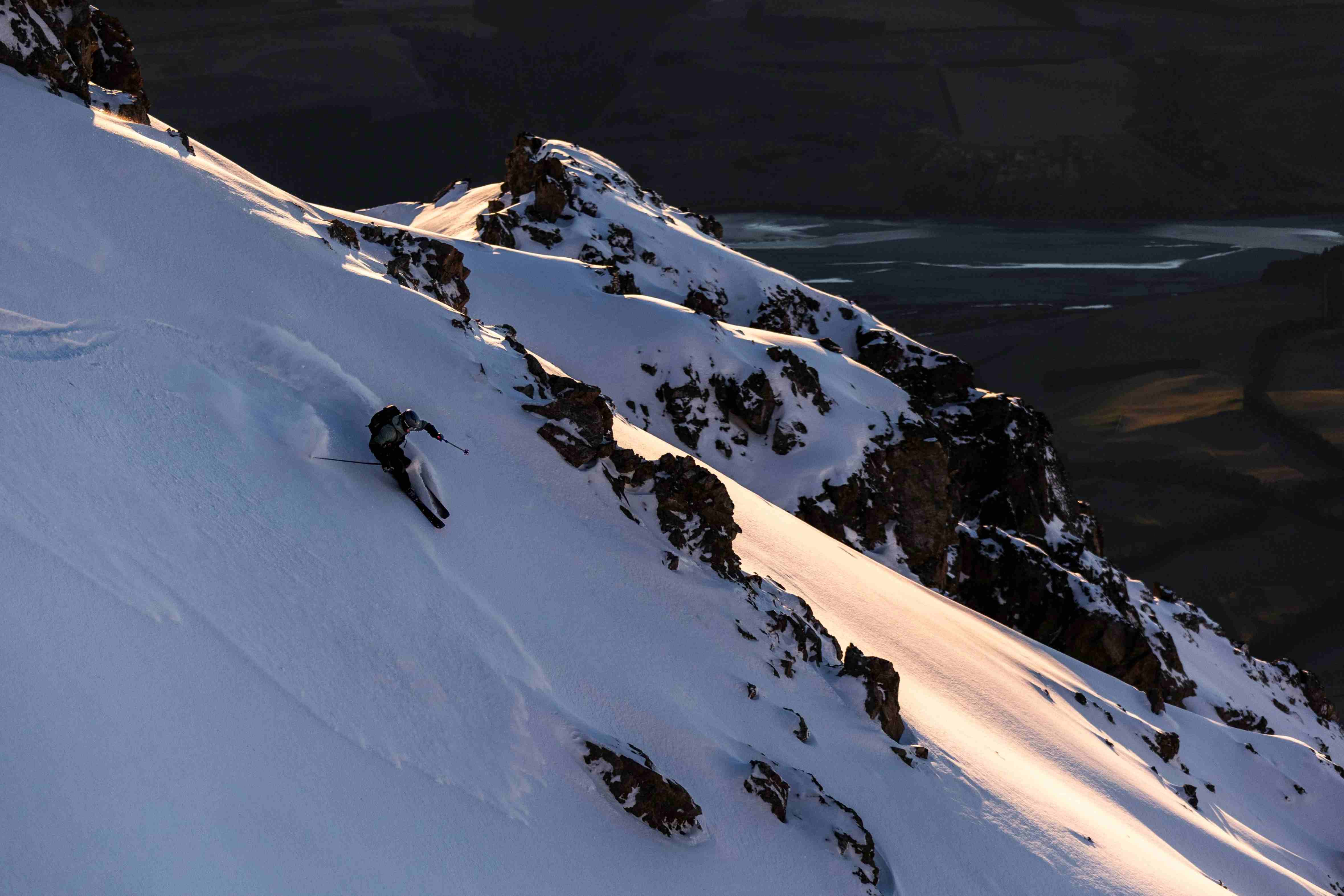
Mt Hutt Ski Area (and the Summit Six chair) offer access to some prime backcountry skiing – but only if you're doing it right. You must exit the ski area via our designated Boundary Exit gates. Cutting through closed runs or ducking ropes is not on. No exceptions.
Ski Patrol does not control the backcountry. The southwest Face and Rakaia Side of Virgin Mile are backcountry terrain and non-controlled areas where avalanches are possible.
Once you're outside the ski area boundary, you're on your own. There’s no avalanche control out there – so make sure you're clued up and kitted out.
That means:
- Avalanche transceiver (on and working)
- Shovel
- Probe
- Communication device
- Knowledge of how to use the lot
Tell someone where you’re going and when you’ll be back. Better yet, swing by Ski Patrol at the top of Summit Six and sign out your intentions before heading off.
if something goes wrong
If you or someone else gets injured
- Cross your skis uphill of the person
- Note their location, clothing colour, and nature of injury
- Contact a staff member ASAP – Ski Patrol will then be with you soon for assistance inside the ski area boundary. If you are requiring assistance outside of the ski area boundary, please call 111.
On Mountain Emergency Number: 03 307 6323
Please ONLY use this number for contacting patrol for any on mountain or access road emergencies.